
A maintainer reply can change the most important part of a security report in a few lines. The diagnosis may be right, but the fix may belong elsewhere. The patch may work, but its Fixes: tag may point to the wrong change.
Our kernel work has made those distinctions concrete. Generating a candidate is only the start of producing something the subsystem can use.
Read the review, not just the merge
The public MCTP serial patch thread shows an investigation moving through review. The maintainer response accepted the analysis and suggested a cleaner shape for the fix.
The VXLAN and GENEVE series shows another part of the process: explaining a permission boundary and getting the patch metadata right. Those details are easy to omit from a headline about AI finding a bug.
A reviewer brings knowledge of the subsystem’s intended behavior, history, and maintenance constraints. An agent’s confidence score doesn’t replace that knowledge.
Prepare the evidence before the patch
A report should identify who can reach the path and under which configuration. It should explain the failure without requiring the reviewer to reconstruct a long agent conversation.
If a test ran, include enough detail to repeat it. If the conclusion rests on source analysis, say so. A patch accepted on a sound lifetime argument is useful, but it should not be presented as evidence that a full exploit was demonstrated.
Keep the fix narrow enough to review. Unrelated cleanup creates more work and makes it harder to see whether the change addresses the reported root cause.
Check whether someone already got there
We also encountered concurrent work: an io_uring patch addressed an issue already fixed in other postings. Correct analysis didn’t make the submission new.
Before sending, search current commits and the relevant mailing-list threads. Repeat that check when an investigation has been open for a while. A local checkout can lag behind a maintainer’s queue.
Deduplication is part of respecting the person who has to read the report. It also keeps the research record from crediting a rediscovery as an original finding.
Acceptance answers a particular question
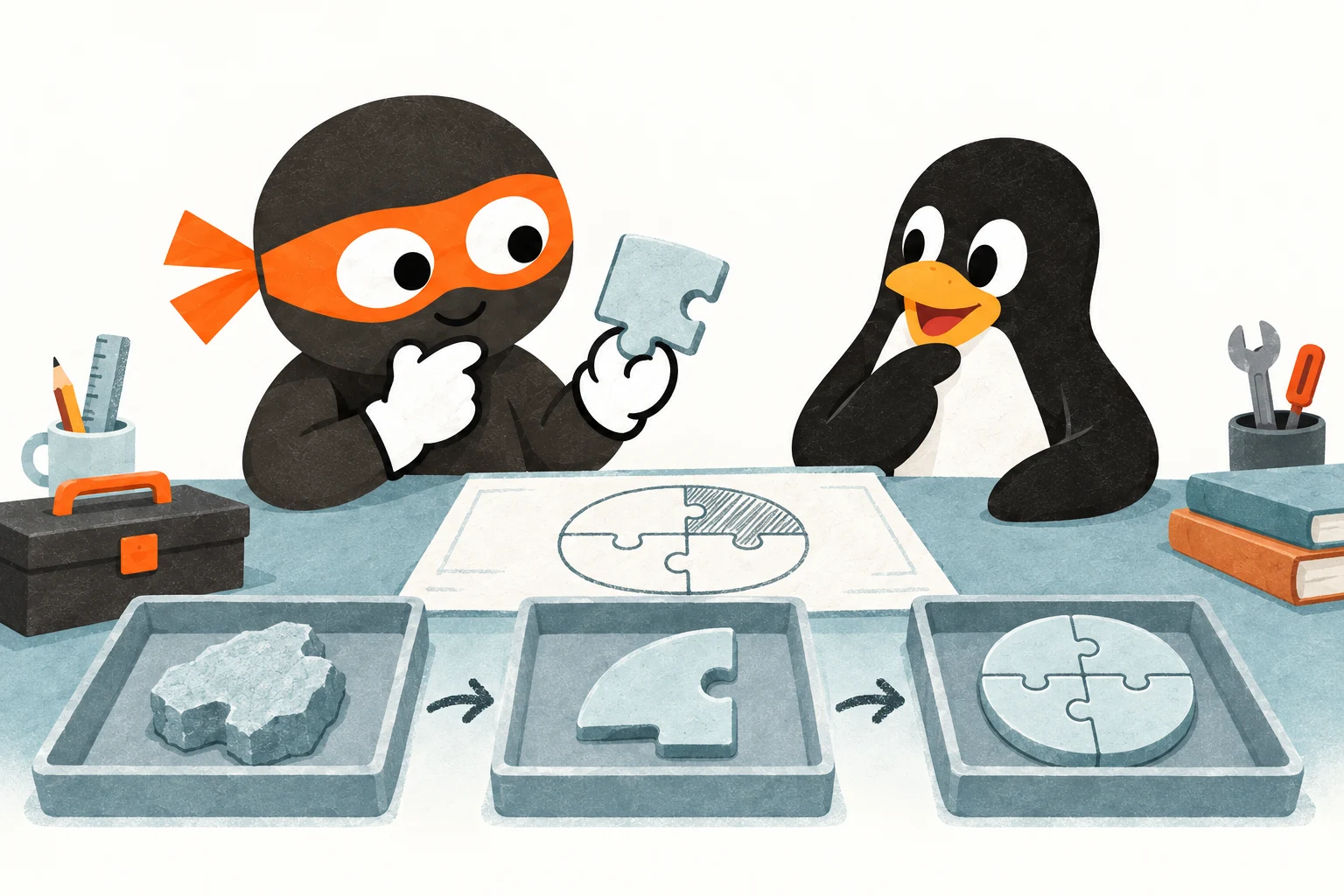
Candidate → review → integration. Every handoff adds a check.
An upstream merge shows that a patch passed the project’s integration process. It doesn’t measure how many candidates the research system missed, how many false alarms it generated, or whether the bug supports a particular exploit chain.
Those questions need their own evaluations. For the engineering contribution, the public trail is still valuable: the report, revisions, reviewer feedback, accepted patch, and subsequent backports can be inspected separately.
The next improvement in an AI research system may be a better reproducer, a more accurate history check, or a clearer report. Those changes make the work easier for a maintainer to act on.